About Stacks Guru
Stacks Guru is born from the need to search the vast number of videos out there on stacks built for Stacks Pro and the Stacks 5 plugin for Rapidweaver.
We have scraped over 500 videos to get the transcripts for each in order to make the spoken word searchable.
Please use this free tool to help you learn and discover the awesome power that Stacks and the stacks made for Stacks have to offer.
Stacks Guru
Video Reference
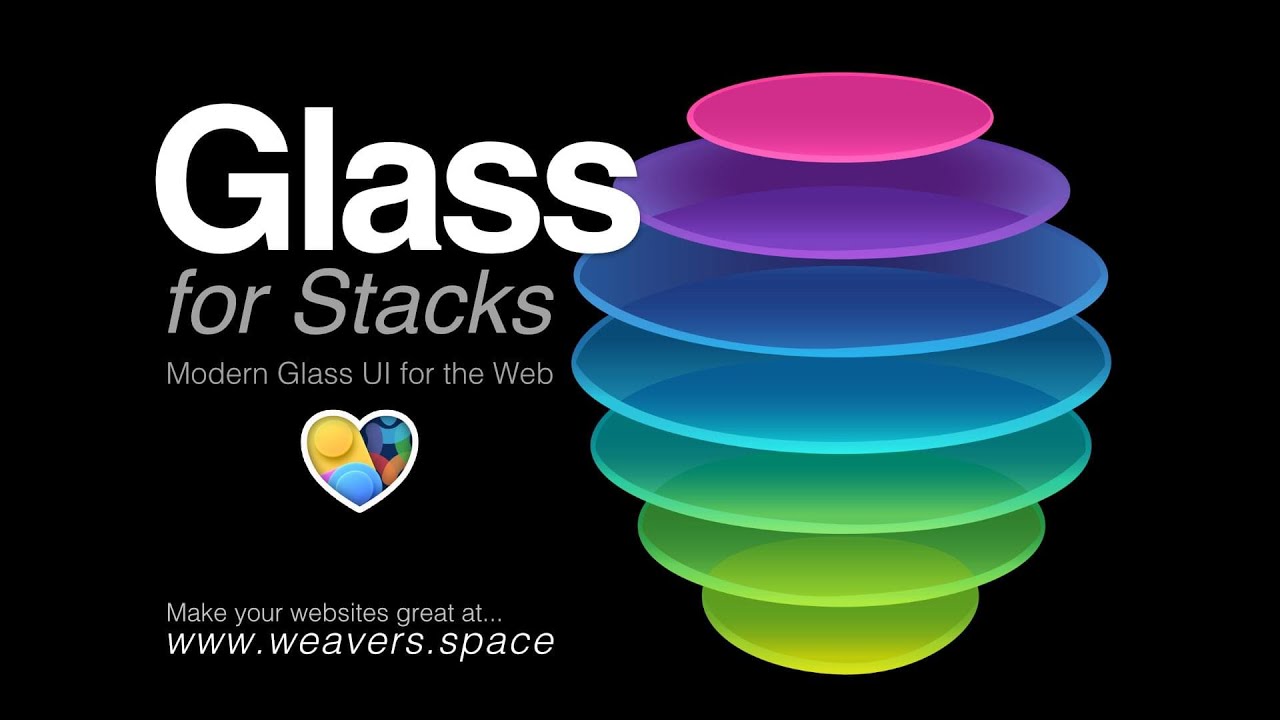
How to Create Modern Glass Web Layouts Using the Glass Stack
09/24/2025
Discover how the Glass stack can transform your website layouts with stunning glass-inspired effects. This video breaks down the key features and customization options to help your site stand out. * Learn about transparent and frosted glass effects for unique backgrounds * See how gradient and animated borders add dynamic visual interest * Get tips on using spotlight and shimmer hover effects for
Transcript
00:09 So, let's dive in and see all the00:10 awesome things the glass stack can do
00:12 for us. Obviously, it's a stack that
00:14 allows us to create glass layouts um on
00:17 our websites. And if we look at this,
00:19 this demo right here really shows us a
00:22 lot of the basics of what the glass
00:24 stack can do for us. This first demo has
00:27 very it's a transparent glass demo. So,
00:29 we can clearly see through it. We
00:31 clearly see that it's transparent. Um,
00:33 it has a little bit of distortion um for
00:36 the background that it's on top of. Um,
00:38 it has this lovely edge which is the
00:40 default actually look. Um, that kind of
00:43 fades to nothing. Super nice. Um, we'll
00:46 notice that there is a slight bevel like
00:48 an inset shadow that kind of makes it
00:50 look gives it a little bit of glare
00:52 which gives it defining that glassy
00:53 effect. Right. And lastly, you've
00:55 probably seen this nice shimmer effect
00:57 on hover as well.
01:00 Now, if you don't like the transparent,
01:02 you want more of a frosted effect. This
01:04 demo definitely shows that, right, where
01:07 um the glass is, you can see through it,
01:10 but it definitely has a frosted look to
01:12 it. Things are a little bit more blurry,
01:14 they're more distorted in the
01:15 background. Um and also, you notice that
01:17 we have a nice little spotlight effect
01:19 on hover um which can add a really nice
01:22 little effect, uh to your content.
01:25 Next, we'll drop down to this one down
01:27 here, and that is the gradient borders.
01:30 But not only that, notice here that
01:32 these first two demos were kind of like
01:34 very glassy, like clear kind of white
01:37 glass. This allows to show that we can
01:39 actually create colors. Um, we can still
01:41 make it look like glass. We have the
01:42 blurry background. Um, this demo also
01:45 uses the spotlight hover effect as well,
01:48 but the purpose of this is kind of show
01:49 you the nice gradient uh borders that we
01:53 have here. Notice that it goes from
01:55 green all the way to blue. And this
01:57 actually has a very subtle hover effect
01:59 as well. Uh, when we hover over it, that
02:01 gradient spins around one time.
02:05 Now, you might think, oh, I want that
02:07 multiple times. Well, we can now on this
02:09 demo here show that we have animated
02:11 borders. And this particular one just
02:13 infinitely the gradient keeps going
02:15 around and around on this demo. Now
02:17 obviously this demo uh uses colored
02:19 glass as well with a nice um you know
02:22 bokeh blurred effect in the background.
02:25 Um so yeah really great little stack.
02:27 Now with all these features that I just
02:28 talked about, you can mix and match
02:30 those to kind of create your own look
02:32 that you want. Right? These just give
02:34 you the basics of the things that you
02:36 can do with glass, but really your
02:38 imagination is the limit. And to show
02:40 you some other ideas on what you can do,
02:42 let's scroll down here and look at this
02:44 second demo. Now, here we have a menu.
02:48 And you'll notice that when I hover over
02:50 it, we we use that spotlight effect to
02:52 kind of follow your mouse to kind of
02:56 show you where you're hovering. So, it's
02:58 a very interesting way of doing hover
02:59 effects for menus.
03:01 Now, as I scroll down the page, you'll
03:04 notice um right here, you'll notice
03:06 really you'll start noticing with the
03:08 images that the content is bleeding
03:11 through that glass. We're getting a nice
03:13 frosted look through the menu. Okay. And
03:17 another thing in this demo, we'll notice
03:18 that these buttons here. Now, I have to
03:20 admit, this is kind of an accident by
03:22 me. Um I wanted to show off the glass
03:25 swatch. So, these are just your normal
03:27 run-of-the-mill buttons. no special
03:30 effects added to them at all. The only
03:32 thing added was the glass swatch. And we
03:35 used one glass swatch to apply the same
03:38 look and feel to every single one of
03:40 these buttons. And you might be
03:42 wondering, "But hey Joe, all these
03:43 buttons look different." Well, that's
03:45 because they're glass and they're
03:46 bringing in the colors from the
03:48 background into it. So, it really makes
03:51 it merge into uh the background and
03:55 makes it look really nice and fitting.
03:57 Also notice the nice little border hover
03:59 effect here. Um where we're hovering and
04:02 that gradient is switching from top to
04:04 bottom to kind of give us a really nice
04:06 little hover effect. Again, all of these
04:08 buttons were styled with one single
04:10 glass swatch. Now, before we go, I
04:12 should give you a tour of what the stack
04:14 looks like inside uh the stacks edit
04:17 mode. I'm not going to do a full
04:18 tutorial. We'll do a live stream. Make
04:21 sure you don't miss that. Um where I
04:23 will go over every single one of these
04:24 implementations. Right now, let's just
04:26 do a quick tour of the settings. So, you
04:28 can kind of see what uh what this stack
04:30 has in store for you. So, at the very
04:32 top, we have the background settings. Uh
04:33 we can have a solid color background,
04:35 which actually allows you to change the
04:37 color on hover as well, or we can do a
04:40 gradient background where you can
04:41 actually have uh multiple colors and
04:43 give yourself a kind of a glassy
04:46 gradient look, which is really nice. Um
04:49 obviously with a gradient, you can
04:50 change the direction of that gradient.
04:52 Okay, if we're looking at this demo
04:53 here, you can see we can change the
04:55 gradient. Um, and then obviously the
04:57 blur which uh increases the bokeh effect
05:00 or the distortion uh between the glass
05:03 and the background. Uh we have that
05:05 shimmer effect in all of its settings
05:08 and then the spotlight effect in all of
05:10 its settings. So as you turn those on
05:11 and off, those settings will uh will be
05:13 displayed. Then we go down to the border
05:15 settings and this is where we can define
05:18 our multiple colors for the gradient. If
05:20 you just want a solid color, just make
05:22 sure you just set both colors to be
05:23 exactly the same. And then you can use
05:25 the uh direction just as we did with the
05:27 background to change the positioning of
05:30 that gradient. And then we uh as you saw
05:33 earlier, we can change kind of colors on
05:35 hover. Um so you can actually define a
05:37 different border gradient on hover,
05:39 which is nice. Then we have standard
05:41 border width and border radius. And this
05:43 is where we can animate that border. So
05:45 we can animate it once or infinitely.
05:48 And last but not least, we have the
05:49 ability to have that inset shadow which
05:51 kind of gives us that curved uh you know
05:53 glare look and then a drop shadow which
05:56 is is a shadow between the glass and the
05:59 background right to kind of set things
06:01 apart. Uh now the glass container itself
06:04 we obviously we need some padding
06:06 settings and some custom classes if you
06:07 want to apply other swatches or CSS um
06:10 to glass itself. Now the swatch has all
06:13 the exact same settings here. So I'm not
06:16 going to dive into that right now. Just
06:17 be know that all these settings are
06:19 exactly the same no matter if you're
06:21 using the glass stack or the glass
06:23 swatch. So yeah, I hope you enjoy glass.
06:26 It's a really elegant, modern stack that
06:29 is really going to make a lot of your
06:30 layouts pop. So I hope you get it and
06:33 love it. Now go forth and make your
06:35 websites great.
06:42 [Music]